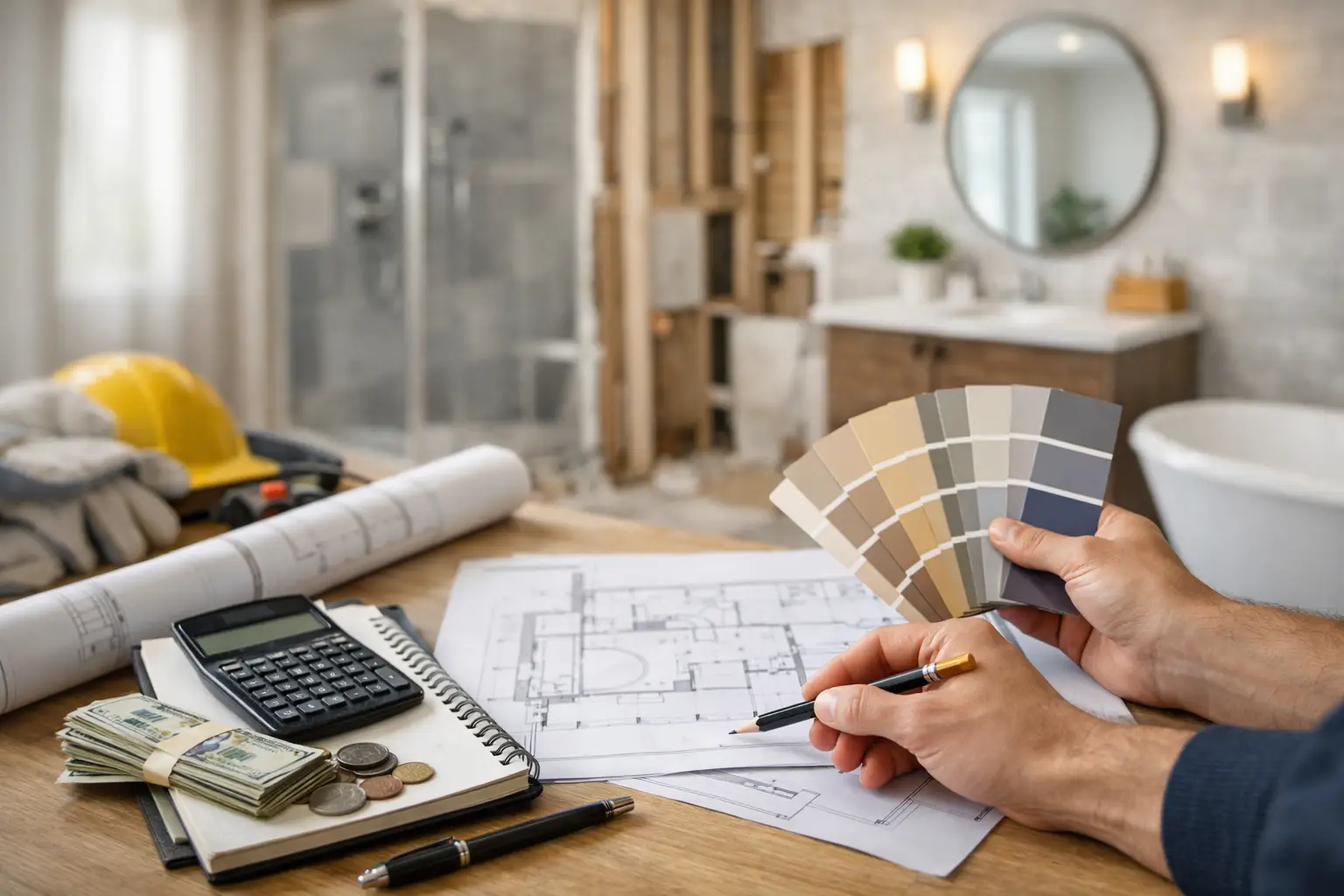
A bathroom can look like a modest project on paper, then reveal outdated plumbing, damaged subflooring, or layout limitations once construction begins. That is why learning how to budget bathroom remodel costs starts with more than choosing a tile color. A reliable budget gives you room to make informed decisions, protect the quality of the work, and create a space that improves daily life without unpleasant financial surprises.
For Los Angeles homeowners, bathroom remodeling costs can vary widely based on the age of the home, access to existing plumbing, permit requirements, material selections, and the scope of the transformation. The best approach is to establish priorities early, price the full project realistically, and reserve funds for the conditions that only become visible after demolition.
Start With the Bathroom You Need, Not Just the Look You Want
Before assigning dollar amounts, define what the remodel must accomplish. Is the current bathroom too cramped for a growing family? Are leaking fixtures or failing waterproofing creating a maintenance issue? Do you want to improve resale appeal, make the room more accessible, or create a more relaxing primary suite?
These answers determine whether you need a cosmetic refresh or a full renovation. Replacing a vanity, lighting, paint, and fixtures typically costs less than moving walls, relocating plumbing, rebuilding a shower, or changing electrical circuits. Both approaches can deliver meaningful value, but they should not be budgeted the same way.
Create two categories: non-negotiables and upgrades. Non-negotiables may include repairing water damage, installing proper shower waterproofing, improving ventilation, or replacing an unsafe electrical component. Upgrades might include heated flooring, a freestanding tub, custom cabinetry, or designer tile. This distinction helps you protect the essentials if costs need to be adjusted later.
Set a Realistic Total Budget for Your Bathroom Remodel
A complete bathroom budget should account for every part of the project, not only the visible finishes. Homeowners often begin with a number based on a vanity or tile allowance, then discover that professional labor, preparation, permits, and behind-the-wall work carry a substantial share of the cost.
As a planning framework, divide your investment among construction labor, materials and fixtures, design or planning, permits, and contingency. The exact percentages depend on your project. A straightforward hall bathroom with no layout changes may dedicate more of the budget to finishes. An older home that needs plumbing or electrical updates may require a larger construction allowance.
Avoid setting a budget based solely on the lowest online estimate you find. A low initial number can leave out demolition, waterproofing, debris removal, installation hardware, delivery, permit coordination, or finish work. A detailed scope from a licensed remodeling professional makes it much easier to compare proposals fairly.
Keep a 10% to 20% contingency fund
A contingency is not a sign that the project is poorly planned. It is a practical reserve for unknown conditions and homeowner decisions that arise during construction. In bathrooms, hidden issues can include corroded pipes, mold from a previous leak, framing damage, inadequate ventilation, or uneven surfaces that need correction before tile installation.
For a newer bathroom with a simple layout and limited demolition, a contingency closer to 10% may be appropriate. For an older San Fernando Valley home, a bathroom with significant water damage, or a project involving wall and plumbing changes, 15% to 20% is usually more responsible. Keep this reserve separate from the funds intended for finishes so it is available if needed.
Understand What Drives Bathroom Remodeling Costs
The square footage of a bathroom matters, but it is not the only cost driver. A small bathroom can be complex because skilled trades still need to work in a tight space, and showers require the same careful waterproofing and plumbing coordination as larger rooms.
Layout changes are one of the biggest budget decisions. Keeping the toilet, vanity, and shower in their existing locations can reduce plumbing and electrical work. Moving those elements may improve functionality, but it can also require new drain lines, venting, framing changes, inspections, and patching in adjacent areas. It may be the right investment, especially for a poorly designed primary bathroom, but it should be a deliberate choice.
Material selection also creates a wide range. Porcelain tile is durable and available at many price points, while natural stone may require more maintenance, sealing, and careful installation. A prefabricated vanity can help control costs, while a custom vanity offers greater flexibility for an unusual layout or specialized storage needs. Premium fixtures can improve durability and the everyday experience, but there is rarely a need to select the most expensive option in every category.
Labor is another place where value matters more than a low number. Proper shower preparation, waterproofing, tile setting, plumbing connections, electrical work, and finish carpentry all affect how the bathroom performs years after completion. A beautifully tiled shower is not a successful investment if water can reach the framing behind it.
Build Your Budget From a Detailed Scope of Work
The most effective way to budget a bathroom remodel is to request a clear scope before construction begins. It should identify what is being removed, what is being installed, which materials are included, and which tasks are excluded or still awaiting a final selection.
Ask how the proposal handles demolition, disposal, surface preparation, waterproofing, plumbing, electrical, ventilation, painting, and final cleanup. Also clarify whether allowances are included for tile, fixtures, cabinetry, countertops, mirrors, and lighting. An allowance is a placeholder amount. If you choose products above that allowance, the project total will increase.
This does not mean you need every item selected before requesting an estimate. It does mean you should be honest about your preferences. If you picture floor-to-ceiling tile, a curbless shower, and custom storage, communicate that early. A contractor can guide the design toward options that fit your budget instead of pricing a basic room that does not match your vision.
Spend Where Daily Use and Durability Matter Most
When choices need to be made, prioritize the parts of the bathroom that are difficult or costly to change later. Waterproofing, plumbing, electrical safety, ventilation, quality installation, and a functional layout deserve serious investment. These components protect your home and support the finishes you see every day.
You can often create savings through selections that are easier to update. Decorative mirrors, cabinet hardware, sconces, and some accessories can be changed later with less disruption. Tile can also be used strategically. Rather than tiling every wall with a high-cost material, consider using a statement tile in the shower niche or vanity backsplash and pairing it with a more budget-conscious field tile.
A good remodeling partner will not push every premium option. The goal is to make smart trade-offs that preserve performance and reflect your style. In many cases, a well-planned midrange bathroom with excellent craftsmanship will serve your household better than an overextended project filled with expensive finishes and avoidable compromises.
Plan for Permits, Timing, and Temporary Disruption
Depending on the work involved, your bathroom remodel may require permits and inspections, particularly when plumbing, electrical systems, structural elements, or major alterations are part of the scope. Permit costs are only one consideration. The schedule should also allow time for plan review, inspections, material lead times, and any corrections required to meet code.
If the bathroom is your household’s only full bath, factor temporary arrangements into your planning. A project may proceed more efficiently when product choices are finalized before demolition and materials are ordered early. Last-minute changes can affect labor scheduling, product availability, and the final cost.
It is also wise to ask how change orders are handled. A change order documents an adjustment to the original scope, price, or timeline. Clear communication around changes protects both the homeowner and the contractor, especially when a hidden condition or new design decision affects the work.
Compare Estimates by Value, Not Just Price
When reviewing proposals, compare the scope line by line. One estimate may appear lower because it excludes waterproofing details, permits, finish materials, or key labor tasks. Another may include a more complete process, experienced tradespeople, project management, and a stronger standard of craftsmanship.
Look for transparency, responsiveness, licensing, and a willingness to explain the work in plain language. A dependable contractor should help you understand where your money is going and identify opportunities to align the plan with your priorities. At WeFiks, that conversation begins with your goals, the condition of the existing space, and a plan built around practical value.
A bathroom budget works best when it supports decisions rather than limiting them. Give the essential work the funding it deserves, choose finishes with intention, and leave room for the unexpected. The result is not simply a renovated room, but a bathroom you can rely on every morning and enjoy for years to come.