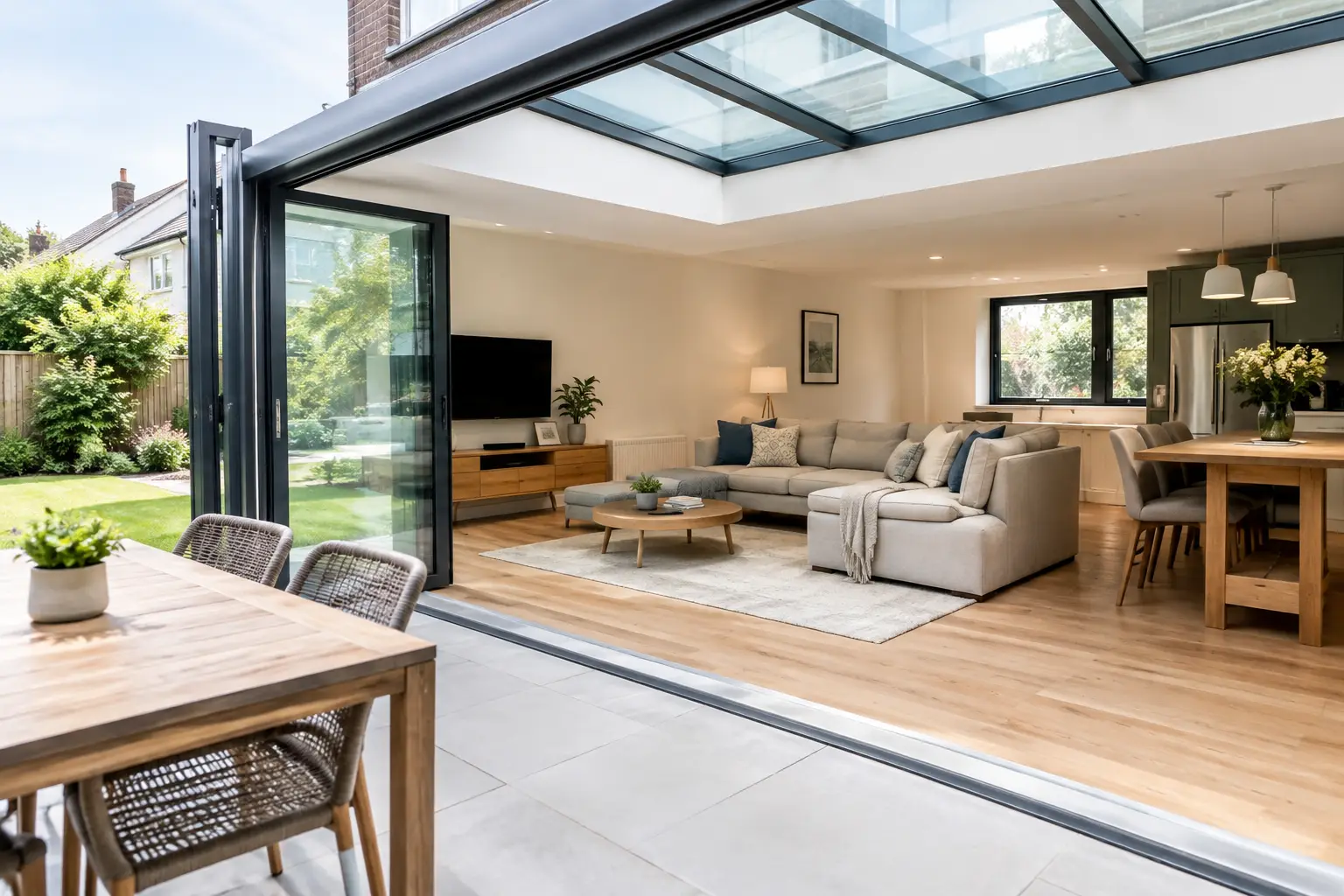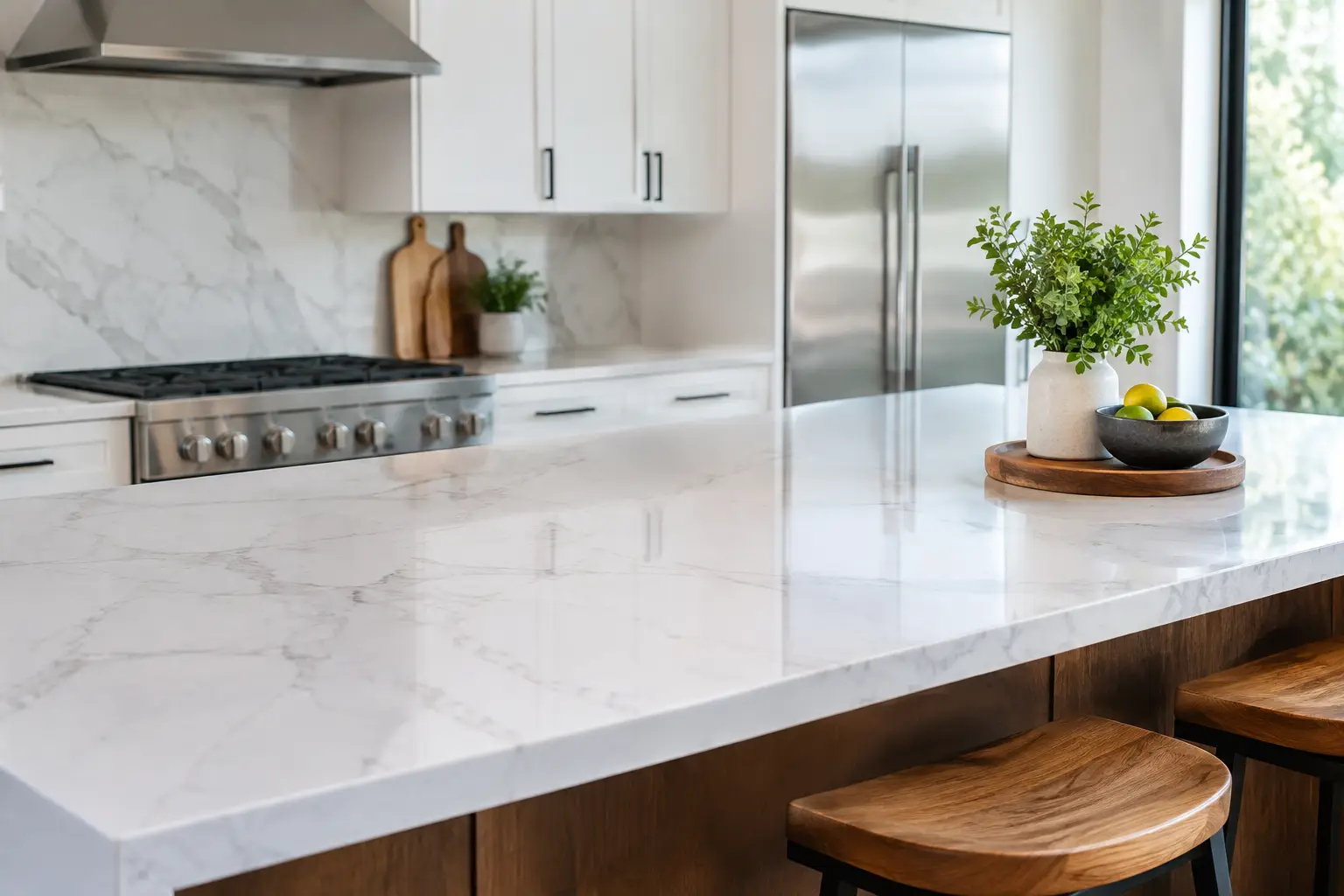
A kitchen counter earns its place the hard way. It handles rushed breakfasts, school projects, meal prep, grocery bags, and the occasional glass of red wine that does not stay in the glass. That is why quartz countertops remain a leading choice for homeowners who want an elevated kitchen without adding a demanding maintenance routine.
For a Los Angeles home renovation, quartz offers an appealing balance: consistent color, everyday durability, and a wide range of looks that can support nearly any design direction. The right selection is not simply about choosing a white slab with gray veining. It means matching the material, pattern, edge, and installation details to the way your household actually uses the kitchen.
Why Quartz Countertops Fit Busy Homes
Quartz is an engineered stone surface made from natural quartz minerals combined with resins and pigments. The result is a dense, nonporous material with a controlled appearance and a smooth finish. Unlike many natural stones, it does not need routine sealing to help resist staining.
That low-maintenance quality is a major reason homeowners choose quartz. Most daily cleanup takes little more than a soft cloth, warm water, and mild soap. Coffee, cooking oil, juice, and common household spills are less likely to penetrate the surface when they are wiped up promptly.
Consistency is another advantage. Natural stone is beautiful because it varies, but that variation can make it difficult to predict what the finished kitchen will look like. Quartz allows you to review a sample or full slab and make a more confident decision about the color, movement, and overall visual effect. For kitchens with large islands, waterfall ends, or matching backsplash panels, that predictability can make the design feel more intentional.
Quartz also works across styles. A warm white surface with soft veining can complement a transitional kitchen with shaker cabinets. A charcoal or concrete-look finish can support a modern space with flat-panel cabinetry. For homeowners who prefer a quieter look, solid white, cream, taupe, and light gray options keep the room bright without turning the countertop into the focal point.
The Trade-Offs to Consider Before Choosing Quartz
Quartz is durable, but it is not indestructible. It resists scratches well under normal use, yet knives should never be used directly on any countertop surface. A cutting board protects both the counter and your blades.
Heat requires the most attention. The resin portion of quartz can be damaged by sudden or excessive heat, particularly from a hot pan placed directly from the stove or oven. Trivets and hot pads should be standard kitchen habits. This is one area where some natural stones may offer greater heat tolerance, though they often require more ongoing care.
Direct, intense sunlight is also worth discussing during design. Many kitchens in the San Fernando Valley receive strong afternoon light, and some quartz products are not recommended for exterior applications or prolonged UV exposure. If your counter will run beside large, unshaded windows or continue into an outdoor kitchen, material selection should account for that condition.
Cost depends on the brand, color, thickness, slab size, fabrication complexity, and installation requirements. A simple galley kitchen with standard edges costs less than a large island with a waterfall panel, oversized sink cutout, mitered edges, and full-height backsplash. Quartz can be an excellent long-term investment, but homeowners should compare complete installed proposals rather than focusing on slab pricing alone.
Choosing the Right Quartz Color and Pattern
Start with the fixed elements of your kitchen. Cabinet color, flooring, wall paint, hardware, and natural light all influence how a slab will read in the room. A sample under showroom lighting is useful, but it should not be the final decision. View a larger sample in your home at different times of day whenever possible.
White Quartz Is Not One Look
Bright white quartz creates a crisp, clean contrast against wood or dark cabinets. Softer off-white and cream tones are often more forgiving in family kitchens because they feel less stark and can better coordinate with warm flooring. Veined quartz can bring the character of marble without the same level of maintenance, but the pattern needs careful planning around seams, corners, and backsplash transitions.
Large, bold veins create drama on an island, especially in an open-concept layout. They can also overwhelm a compact kitchen if the cabinetry, tile, and lighting already introduce multiple patterns. In that situation, a subtle pattern or near-solid surface may create a more polished result.
Dark and Midtone Quartz Can Add Depth
Dark countertops look striking with light cabinetry, brass hardware, or natural wood accents. They also tend to show dust, water spots, and fingerprints more easily than many midtone options. If you love the look but want fewer visible marks, consider a softer charcoal, taupe, or lightly patterned gray rather than a solid black polished surface.
Matte and honed-style finishes can provide a modern, understated appearance. Their care needs vary by manufacturer, so ask how the specific finish performs with fingerprints, oils, and everyday cleaning. The best choice is the one that still looks good after a normal week of cooking, not just on installation day.
Details That Change the Finished Kitchen
A countertop becomes part of the kitchen architecture once it is fabricated and installed. Thickness, edge profile, overhangs, seams, and sink selection all affect appearance, budget, and long-term use.
A standard polished edge is clean and cost-conscious, while eased or rounded edges soften the profile and are practical for households with young children. Mitered edges can create the appearance of a thicker, more substantial slab, particularly on a large island. They offer a premium look but require more fabrication and labor.
For an island with seating, the overhang must be designed correctly. A deeper overhang may need concealed steel supports or brackets, depending on the slab thickness and span. This is not a detail to leave to guesswork. Proper support protects the counter and helps the seating area feel solid for years.
Sink choice matters too. An undermount sink creates a smooth cleanup path from the counter into the basin and is a natural fit for quartz. If you are adding a workstation sink, oversized single bowl, or integrated drainboard area, confirm the cabinet dimensions and plumbing plan before fabrication begins. Once quartz is cut, changes are limited and costly.
Full-height quartz backsplashes are another popular option. They reduce grout lines behind the range and create a cohesive, high-end appearance. They also increase material and fabrication costs, especially when outlets, switches, pot fillers, and range hoods require precise cuts. For some kitchens, a quartz slab behind the range paired with tile elsewhere delivers the right balance of impact and budget.
What Professional Installation Should Include
The strongest countertop choice can still disappoint if the measuring, fabrication, or installation is rushed. Cabinets should be level, secure, and fully installed before final measurements are taken. Walls are not always straight, especially in older homes, so professional templating helps account for real conditions rather than ideal drawings.
Before installation, confirm the slab layout and discuss seam placement. Seams are sometimes necessary due to slab dimensions, kitchen shape, or the need to carry material safely into the home. A skilled fabricator places them thoughtfully, aligns the pattern where possible, and minimizes their visual impact. Still, a seam is not invisible. Clear expectations prevent frustration later.
Appliance specifications should also be finalized before fabrication. This includes cooktop cutouts, slide-in range clearances, sink models, faucet holes, and any countertop-mounted accessories. Coordinating these items early protects the schedule and reduces avoidable rework.
A design-build remodeling team can manage these decisions as part of the larger kitchen plan, from cabinet layout and lighting to the final countertop installation. At WeFiks, the goal is to make each selection support the homeowner’s vision, budget, and daily routine rather than treating the countertop as an isolated purchase.
Caring for Quartz After Installation
Quartz does not need sealing, but it still deserves sensible care. Use a soft sponge or cloth with mild soap for daily cleaning, then dry the surface if you want to minimize streaks or water spots. Avoid abrasive pads, harsh oven cleaners, paint removers, and highly alkaline or acidic products unless the manufacturer specifically approves them.
Do not let dried food, adhesive residue, or spills sit longer than necessary. If something needs extra attention, use a nonabrasive cleaner made for engineered stone and follow its directions. For stubborn residue, a plastic scraper used gently can be safer than aggressive scrubbing.
The most useful habits are simple: use cutting boards, set hot cookware on trivets, and clean spills before they become a project. Those small choices preserve the surface and keep the kitchen ready for the life happening around it.
A quartz countertop should make your kitchen easier to enjoy, not give you another surface to worry about. Choose a color you will still appreciate on an ordinary Tuesday morning, plan the details carefully, and let quality installation turn a beautiful slab into a hardworking part of your home.