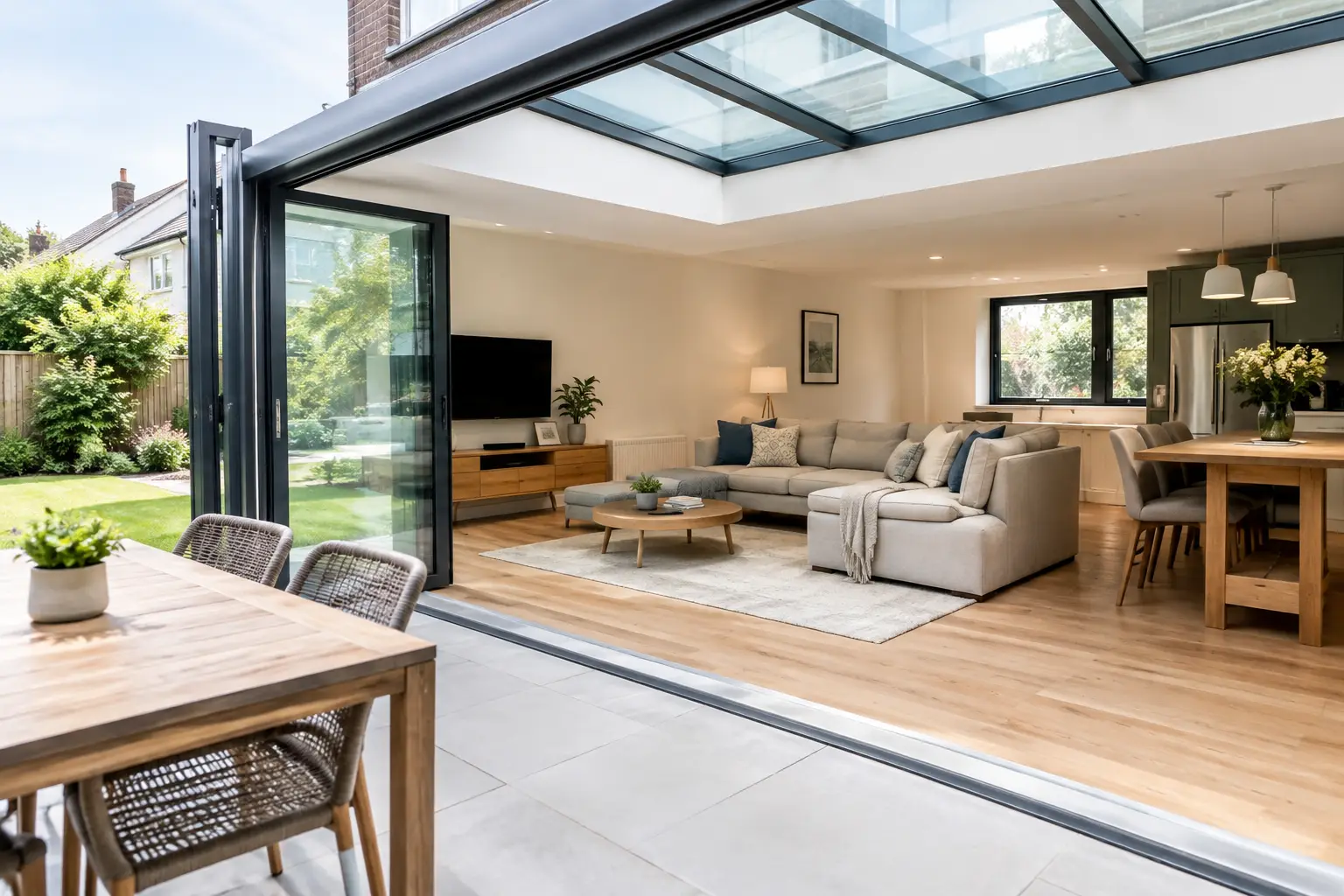
A well-planned ADU can do more than add square footage. It can create a flexible home for family today and a valuable rental opportunity tomorrow. Los Angeles ADU rental trends show that tenants are looking for privacy, thoughtful layouts, updated finishes, and locations that make daily life easier – not simply the lowest possible rent.
For homeowners, that changes the conversation. The strongest ADU projects are not built around a generic floor plan or a quick income estimate. They are designed around the property, the likely renter, local requirements, and the owner’s long-term plans. Whether you are considering a detached backyard unit, garage conversion, or addition above an existing structure, the details directly affect rental appeal.
What Los Angeles ADU Rental Trends Are Showing
Los Angeles continues to face a limited supply of attainable rental housing, while many residents want to remain close to jobs, schools, family, and established neighborhoods. ADUs help meet that need on a smaller scale. They appeal to renters who want more independence than a room rental but may not need, or want to pay for, a large apartment.
The most consistent demand is often for well-finished studios and one-bedroom units. These can serve working professionals, couples, graduate students, older adults downsizing from larger homes, and local residents between homes. In neighborhoods across the San Fernando Valley, proximity to major corridors, transit, restaurants, and employment centers can make a compact ADU especially appealing.
That said, location alone does not carry a rental. A unit with poor access, limited storage, weak ventilation, or an awkward relationship to the main home may struggle against a more thoughtfully designed alternative. Tenants increasingly compare ADUs with newer apartments, so homeowners should consider the entire living experience.
Privacy is a major value driver
Privacy is one of the clearest ADU rental trends in Los Angeles. A separate entrance matters. So does a path that lets the tenant enter and leave without crossing through the owner’s main outdoor living area. Window placement, fencing, gates, exterior lighting, and landscaping all contribute to whether the unit feels like a true home rather than an afterthought.
This does not mean every ADU needs to be completely detached. A garage conversion can be an excellent rental solution, especially on lots where a new detached structure would reduce usable yard space. The key is to design the conversion carefully, with sound control, sufficient insulation, natural light, and a private entry whenever possible.
Functional space beats oversized space
A larger ADU can command more rent in the right setting, but more square footage is not automatically better. A compact one-bedroom with a full kitchen, in-unit laundry, storage, and a comfortable living area may outperform a larger unit with wasted circulation space or cramped rooms.
For rental use, homeowners should focus on how the resident will live day to day. Can they cook comfortably? Is there a place for coats, cleaning supplies, and luggage? Is the bathroom durable and easy to maintain? Does the bedroom fit a real bed and side tables? These practical questions shape tenant satisfaction and protect the unit’s long-term value.
Features Renters Notice First
The rental market rewards ADUs that feel finished, durable, and intentionally designed. Premium does not have to mean extravagant. It means selecting materials and systems that look good, perform well, and hold up under regular use.
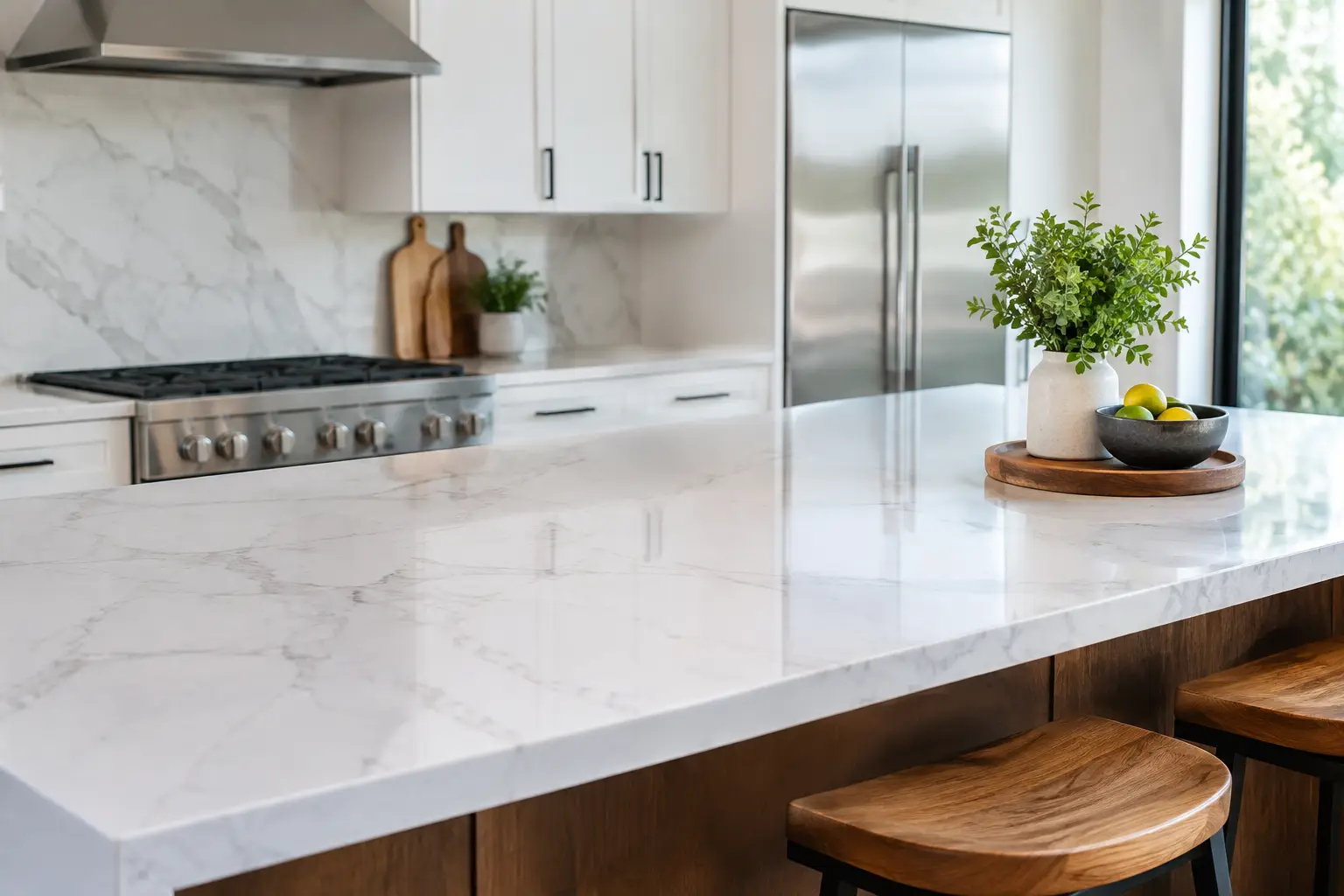
A modern kitchen with adequate counter space, full-size or appropriately scaled appliances, quality cabinetry, and useful lighting can make a small unit feel far more livable. In the bathroom, a well-built shower, reliable ventilation, easy-clean surfaces, and enough storage are often more valuable than decorative upgrades that are difficult to maintain.
Climate comfort also matters in Los Angeles. Efficient heating and cooling, properly insulated walls, quality windows, and thoughtful shading help tenants stay comfortable while giving owners greater confidence in the building’s performance. When an ADU is built to current standards instead of treated as a basic spare room, it shows.
Parking can be another deciding factor, but it depends on the neighborhood and renter profile. In areas with limited street parking, a designated space may strengthen rental appeal. In more walkable locations or near transit, tenants may prioritize access, privacy, and interior quality over an extra parking spot. A property-specific assessment is more useful than assuming every ADU needs the same amenities.
Set Rental Expectations Before You Build
It is tempting to start with a projected monthly rent and work backward. A stronger approach is to begin with a realistic project budget, then evaluate rental potential based on comparable local units, layout, privacy, finishes, utilities, and operating costs.
Rental income can help offset an ADU investment, but it should not be the only reason to build. Construction costs, financing, insurance, maintenance, vacancy periods, utility arrangements, and property management all affect the final return. A homeowner who plans for these factors from the beginning is better positioned to make a confident decision.
There is also a difference between a unit that is designed for long-term tenants and one intended for furnished or short-term occupancy. Local rules, registration requirements, and rental restrictions can change, particularly for short-term rentals. Before choosing a strategy, verify the rules that apply to your specific property and municipality. Long-term rentals are often simpler to manage and can provide more predictable occupancy, but the best option depends on your goals.
Think beyond the first tenant
The right ADU should remain useful even if your rental plans change. A one-bedroom unit may later become a home office, guest suite, housing for an adult child, or a comfortable space for aging parents. That flexibility is one reason ADUs remain attractive to long-term homeowners.
Design choices can preserve that flexibility. A barrier-conscious entry, a curbless shower where appropriate, wider circulation areas, and good exterior lighting can make the space easier to use for more people over time. These decisions may add cost upfront, but they can expand the ADU’s practical value for years.
Build for Durability, Not Just Rental Photos
Rental photos can bring interest, but construction quality determines whether the unit remains an asset. Water management, drainage, roofing connections, insulation, electrical capacity, plumbing, and foundation work should never be treated as background details. They are essential to a comfortable home and a lower-maintenance property.
Homeowners should also think about finishes from an ownership perspective. Light-colored surfaces can make small rooms feel open, but materials should be chosen for cleanability and wear resistance. Luxury vinyl plank, durable tile, quartz or quality solid-surface counters, and washable paint are often practical options. The best selection depends on the design, budget, and level of future use.
An experienced design-build team can help coordinate these decisions before construction begins. At WeFiks, the goal is to create ADUs that fit the existing home, support the homeowner’s plans, and feel complete from the inside out. That includes considering the surrounding hardscape, fencing, access paths, and outdoor privacy rather than treating the unit as an isolated structure.
Avoid the Common Rental-ADU Mistakes
The fastest way to weaken an ADU’s rental potential is to build without a clear resident in mind. A unit may meet basic requirements and still feel inconvenient if it lacks storage, has poor furniture placement, or exposes both owner and tenant to unnecessary noise and visibility.
Another mistake is underestimating site work. Sloped lots, aging utility systems, drainage needs, tight access, and existing structures can affect both cost and construction planning. A detailed assessment early in the process helps prevent expensive surprises and supports a more accurate budget.
Finally, do not overlook the relationship between the main house and the ADU. Good fencing, separate outdoor zones, screen planting, and deliberate circulation can improve everyday comfort for everyone on the property. These improvements also make the home feel more organized and valuable, whether the ADU is rented or used by family.
An ADU is a long-term addition to your property, not just a source of monthly rent. Build the kind of space you would feel confident offering to someone you care about: private, comfortable, durable, and designed with a real purpose. That standard is what turns rental demand into lasting value.