A kitchen can look expensive and still miss the mark. A dramatic backsplash, high-end range, or trendy cabinet color may create a first impression, but homeowners and future buyers quickly notice whether the room works. They notice crowded walkways, shallow storage, poor lighting, and surfaces that cannot handle daily life. When considering what adds value in kitchens, the best choices improve how the space functions while giving it a polished, lasting look.
For homeowners in the San Fernando Valley and surrounding Los Angeles communities, kitchen remodeling is often about more than resale. It is about creating a place where busy mornings run smoothly, family meals feel easier, and entertaining does not require working around an awkward layout. The upgrades that tend to deliver the strongest value are the ones that support all of those goals.
What Adds Value in Kitchens Starts With Layout
A practical layout is the foundation of a valuable kitchen. Before selecting finishes, consider how people move through the space. Can two people prepare a meal without bumping into each other? Is the refrigerator accessible without cutting through the cooking zone? Is there enough landing space beside the cooktop, sink, and refrigerator?
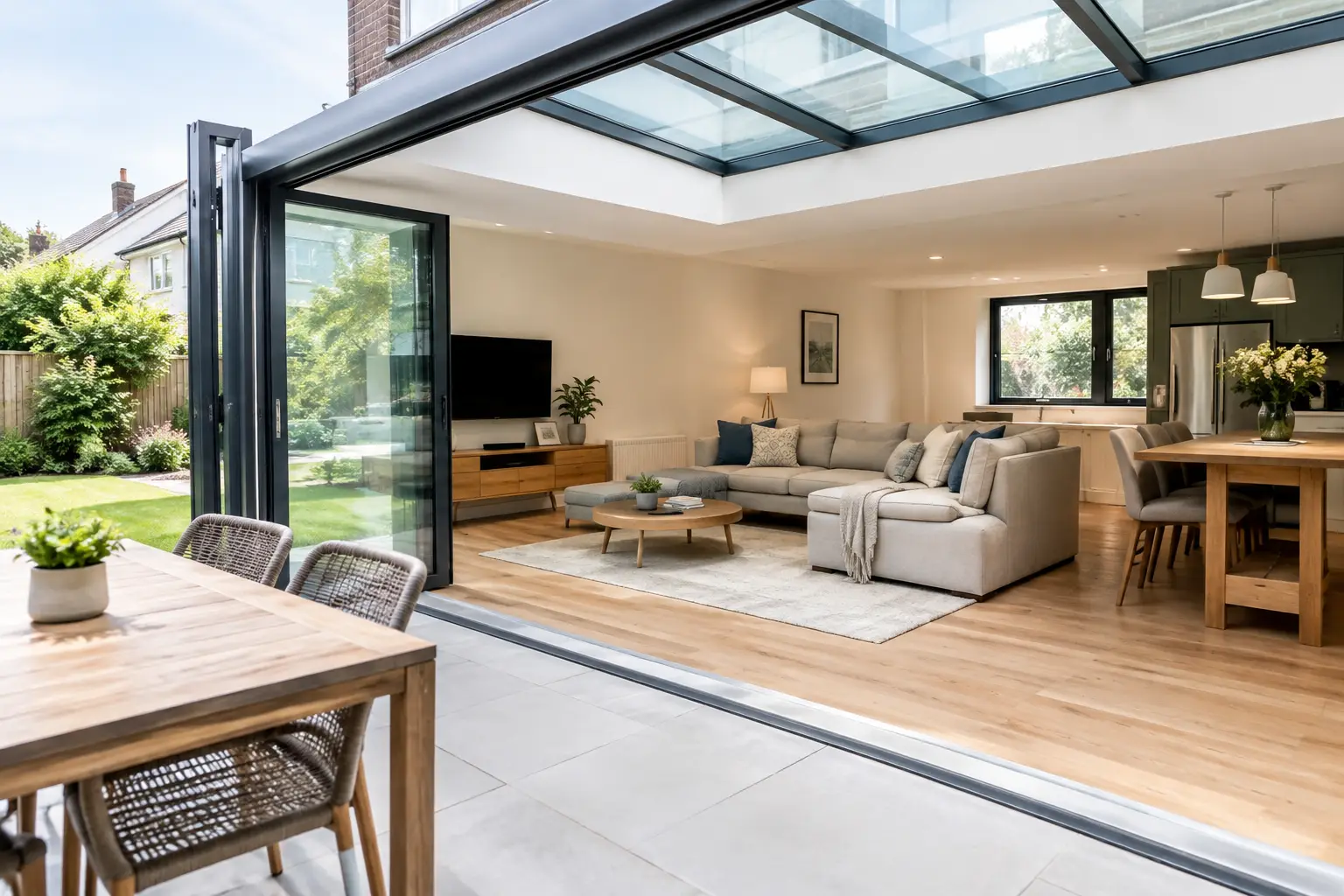
In many older Los Angeles homes, kitchens were designed as enclosed workspaces with limited counter area and little connection to the living or dining room. Opening a wall, widening an entry, or reworking the placement of appliances can make the home feel significantly more usable. However, an open layout is not automatically the right answer. Removing walls may involve structural engineering, permits, and a larger budget. In some homes, a partially opened wall, expanded doorway, or better cabinet configuration delivers a stronger return for less disruption.
An island can be especially valuable when it earns its footprint. A well-planned island adds prep space, seating, storage, and a natural gathering point. In a compact kitchen, though, an oversized island can restrict circulation and make the room feel tighter. The goal is not to copy a showroom kitchen. It is to create a layout that fits the home and the people using it.
Storage That Makes Daily Life Easier
Buyers and homeowners value storage because clutter makes even a beautiful kitchen feel undersized. More cabinets are helpful, but smarter cabinet design matters just as much. Deep drawers for pots and pans, pull-out pantry shelves, tray dividers, recycling centers, and corner storage solutions make the available square footage work harder.
Tall pantry cabinets are a strong option for homes without a walk-in pantry. They keep dry goods organized and reduce the need to store food on countertops. In family homes, a dedicated zone for lunch supplies, small appliances, or charging devices can bring order to everyday routines.
Cabinet quality also affects perceived value. Solid construction, reliable drawer hardware, and doors that close properly communicate craftsmanship. Homeowners do not need to choose the most elaborate cabinet profile to add value. A simple, well-built cabinet in a timeless finish often performs better over time than a highly decorative style that dates quickly.
Avoid Paying for Storage You Cannot Use
Storage needs to be accessible. Cabinets extending to the ceiling can add visual height and valuable space, but only if upper areas are reserved for occasional-use items. Likewise, open shelving can make a kitchen feel lighter, yet it requires consistent styling and cleaning. A balanced design often combines closed storage for daily essentials with a small amount of open display space.
Durable Counters and Finishes Create Lasting Appeal
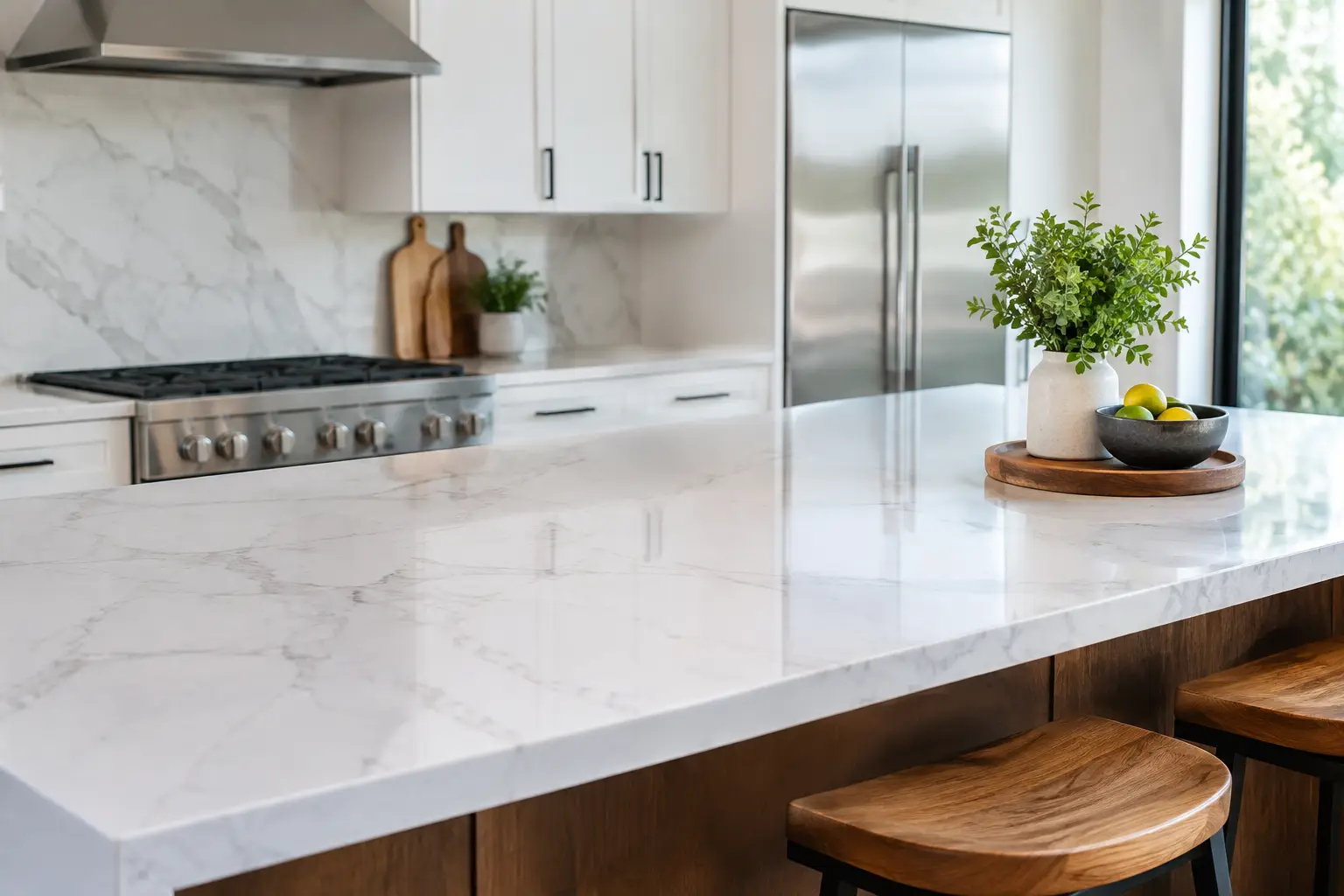
Kitchen finishes influence value because they are visible every day and receive constant wear. Countertops should be selected for both appearance and performance. Quartz remains a popular choice because it offers a clean, upscale look with consistent color options and low maintenance. Natural stone can bring distinctive character, but it may need periodic sealing and can be more sensitive to staining or etching depending on the material.
There is no single best countertop for every homeowner. A family that cooks frequently may prioritize easy maintenance. A homeowner renovating a higher-end property may prefer the natural movement of marble or quartzite despite the added care. The right material is the one that fits the household’s habits, budget, and design goals.
Backsplashes add value when they protect the wall and create a finished look without overwhelming the room. Classic tile, slab backsplashes, and understated patterns tend to have broad appeal. Extremely bold colors or novelty shapes can be beautiful, but they are more personal choices. If resale is a near-term priority, use trend-forward elements in areas that are easier and less costly to update later, such as lighting or paint.
Lighting Is a High-Impact Kitchen Upgrade
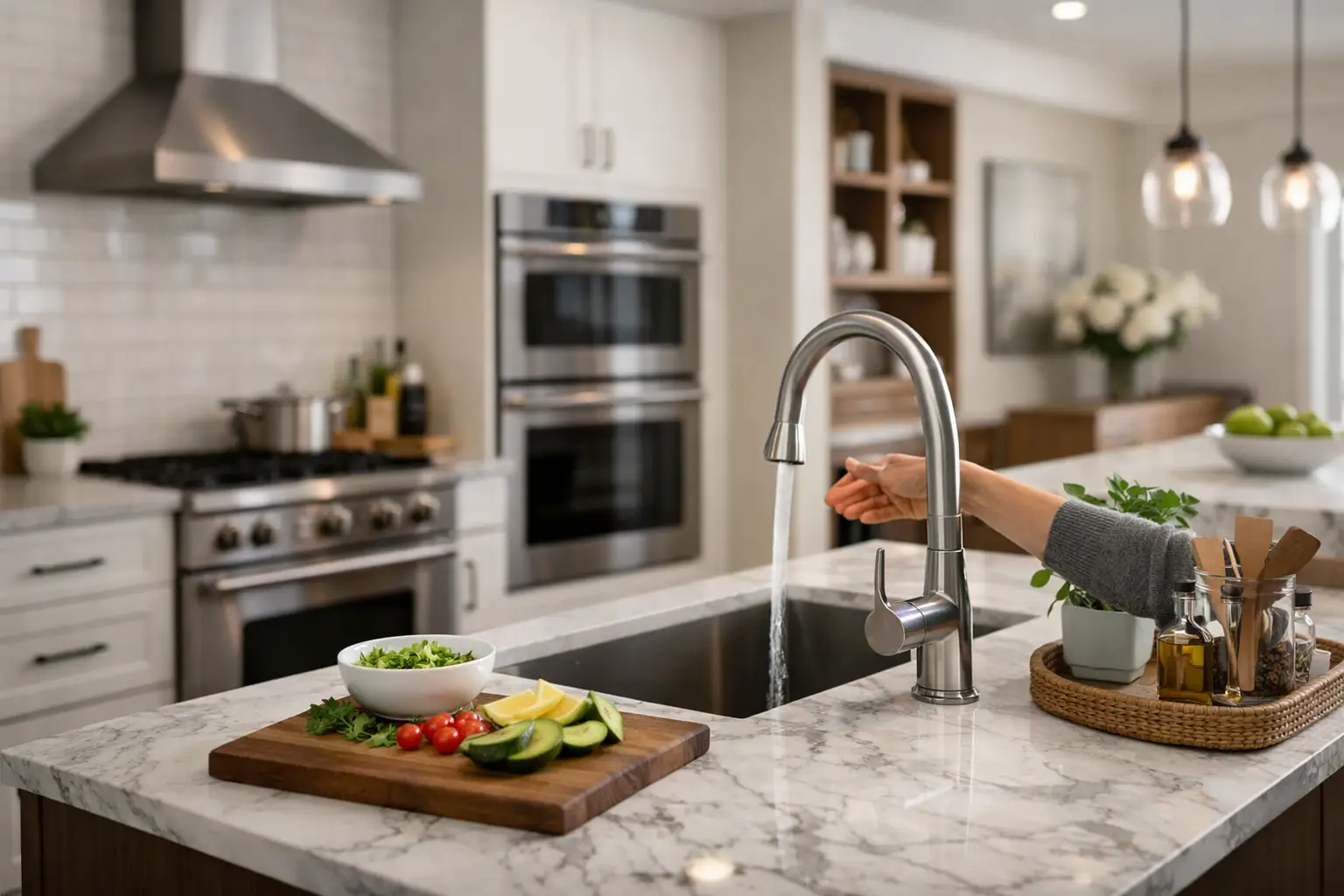
Poor lighting can make a new kitchen feel incomplete. A layered lighting plan improves safety, mood, and functionality. Recessed ceiling lights provide general illumination, under-cabinet lighting brightens prep areas, and decorative pendants can define an island or dining space.
Under-cabinet lighting is one of the most practical improvements in a remodel. It eliminates shadows on countertops and gives the kitchen a warm evening glow. Dimmable fixtures add flexibility, allowing the same room to support meal prep, homework, and relaxed entertaining.
Natural light matters too. Where the structure and budget allow, enlarging a window, adding a glass door to the backyard, or improving sightlines can make a kitchen feel larger and more connected to the home. For properties with outdoor living areas, that connection can be particularly meaningful in Southern California.
Efficient Appliances and Useful Utilities
Modern appliances add value when they match the scale and expectations of the home. Energy-efficient dishwashers, well-ventilated ranges, quiet ventilation hoods, and reliable refrigerators improve everyday comfort. A high-end professional range may appeal to serious cooks, but it is not always the best investment for a modest kitchen with limited ventilation or counter space.
Ventilation deserves careful planning. A properly sized range hood helps control heat, moisture, and cooking odors, protecting cabinets and improving indoor comfort. It is a functional detail that can be overlooked during cosmetic updates, yet it has a direct effect on how the kitchen performs.
Electrical planning is equally valuable. Convenient outlets at the island, charging drawers, dedicated circuits for major appliances, and room for future upgrades prevent frustration later. These elements are not always the first things guests see, but they are the details homeowners appreciate every day.
Timeless Design Has a Wider Return
A kitchen should reflect the homeowner’s style, but the most value-adding designs generally avoid chasing every short-lived trend. Warm wood tones, soft neutrals, natural textures, and thoughtfully selected hardware can feel current without becoming dated within a few years.
That does not mean every kitchen should be white and predictable. Contrast can add depth through a painted island, a darker lower cabinet color, or a distinctive light fixture. The key is to build the room around a cohesive design rather than a collection of individual trends. Cabinet color, flooring, counters, and fixtures should feel intentional together.
Flooring is particularly important in an open-plan home, where the kitchen may visually connect to living areas. Durable flooring that continues cleanly across adjacent spaces can make the home feel larger and more unified. Material selection depends on lifestyle: porcelain tile handles heavy use and moisture well, while engineered hardwood can provide warmth when it is appropriate for the household and installation conditions.
Spend Where It Changes the Experience
Not every remodeling dollar produces equal value. Layout improvements, cabinetry, countertops, lighting, and flooring typically have a bigger impact than decorative extras. It is wise to invest in the elements that are difficult to change later, then control costs on components that can be upgraded more easily.
For example, prioritize durable cabinet boxes and functional hardware before choosing premium specialty fixtures. Address electrical, plumbing, ventilation, and structural needs before finalizing decorative finishes. This approach protects the project from costly changes and gives the finished kitchen a stronger foundation.
A clear plan also helps prevent over-improving for the neighborhood. A luxury kitchen may be right for a long-term homeowner who wants the experience, but resale-focused projects should consider the property’s price range and buyer expectations. A tailored design-build plan can balance investment, style, and practical return without asking homeowners to compromise on the features that matter most.
A valuable kitchen is one that feels good to use on an ordinary Tuesday, not just one that photographs well. Start with the way your household cooks, gathers, stores, and moves through the room, then choose upgrades that make those moments easier. With thoughtful planning and quality workmanship, the result can serve your family now and make the home more compelling whenever it is time to sell.